OSVI Healthcare Blog
Stroke Patient Care at Home: Recovery and Rehabilitation Guide
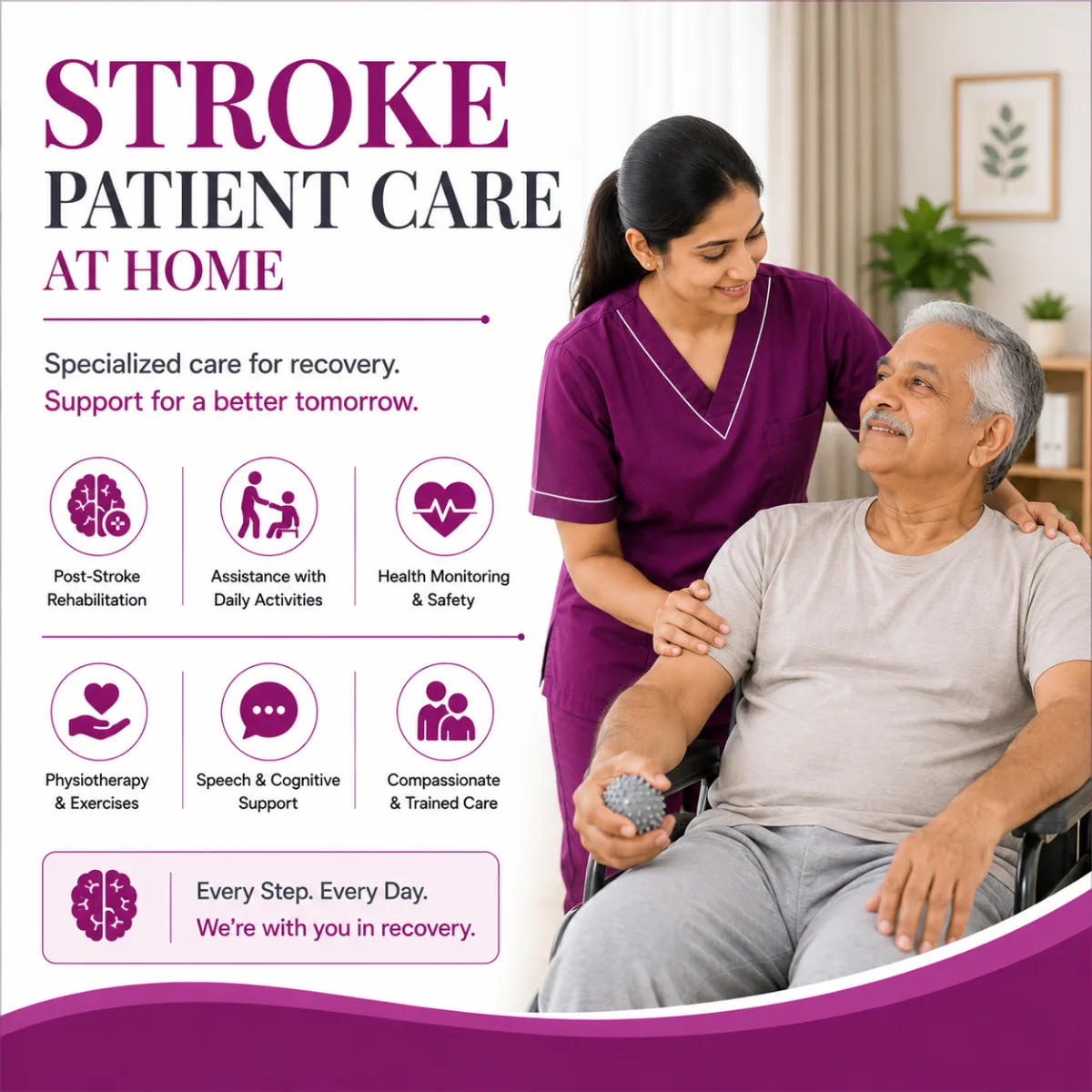
A stroke happens when the blood supply to part of the brain is cut off. It can affect movement, speech, swallowing, memory, vision and mood, and every patient is affected differently. The biggest improvements usually come in the first weeks and months, but recovery can continue for much longer, and much of it happens at home, with the family’s help.
Know the Signs of a New Stroke: BE FAST
A stroke can happen again. Every family member should know these sudden signs:
- B, Balance: loss of balance or coordination, or dizziness
- E, Eyes: blurred or double vision, or loss of sight
- F, Face: one side of the face droops
- A, Arms: weakness or numbness in an arm or leg
- S, Speech: slurred speech, or trouble speaking or understanding
- T, Time: call 112 at once
Call 112 straight away, even if the signs go away after a few minutes. Short-lived signs can be a TIA (“mini-stroke”), a warning that a full stroke may follow. Note the time the signs started, as this helps doctors choose treatment. Read what to do in a medical emergency at home.
Preparing the Home Before Discharge
- Keep the bed close to the bathroom, or place a commode chair nearby.
- Remove loose rugs, wires and clutter, and keep the path to the bathroom well lit.
- Fit handrails next to the toilet and in the bathing area, and use a slip-proof mat.
- Choose well-fitting footwear with rubber soles, not loose chappals.
- Ask the team whether the patient needs a walker, wheelchair or hospital bed at home.
Before discharge, ask for a written medicine list, the diet and swallowing advice, and the exercises to continue.
Rehabilitation at Home
- Physiotherapy works on movement, strength, balance and walking. Read more about physiotherapy at home.
- Occupational therapy helps with everyday tasks such as washing, dressing and eating, and with changes to the home.
- Speech and language therapy helps with speaking, understanding and swallowing.
Practise the exercises between sessions as the therapist shows you. Tiredness is very common after a stroke and may not improve with rest, so plan short sessions with breaks, and tell the doctor if it gets in the way.
Eating and Swallowing Safely
Swallowing problems are very common after a stroke, and food going down the wrong way can cause pneumonia. Watch for coughing or choking while eating or drinking, a wet or gurgly voice, food left in the mouth, or weight loss.
- Give only the food textures and drinks that the speech therapist or doctor has advised, such as soft food or thickened drinks.
- Sit the patient fully upright, with a straight back, for every meal.
- Give small mouthfuls and small sips. Do not rush, and switch off the TV.
- Do not use a straw unless the therapist says it is safe, and do not feed a drowsy patient.
- Clean the teeth, gums and tongue regularly: germs from the mouth can reach the lungs.
- Check with the doctor or pharmacist before crushing tablets.
Preventing Bedsores, Chest Infections and Falls
- Bedsores: if the patient moves little, change their position regularly, as the nurse advises, and check the skin daily at the heels, hips, tailbone and elbows. A discoloured patch, or skin that feels warm, spongy or hard, is an early warning. See our guide on preventing bedsores.
- Chest infections: the risk of pneumonia is higher after a stroke. Safe swallowing, mouth care and moving as advised all help.
- Falls: weakness and dizziness raise the risk. Stay close when the patient walks, use the walking aid the physiotherapist advises, and tell the doctor about any fall, even a minor one.
Medicines and Preventing Another Stroke
Medicines after a stroke often include blood thinners and blood pressure tablets. Give every medicine exactly as prescribed, and never stop one without the doctor’s advice. Some blood thinners need regular blood tests. Ask the doctor before giving any other medicine, supplement or herbal remedy.
High blood pressure, diabetes, high cholesterol and atrial fibrillation (an irregular heartbeat) raise the risk of another stroke: keep them controlled as the doctor advises. Stop smoking, cut down alcohol, eat a balanced diet and stay active.
Mood, Depression and Carer Support
Around one in three stroke survivors develop depression within the first year, and it can also appear months or years later. Some patients also cry or laugh suddenly without meaning to. Signs of depression include feeling low most of the time for weeks, losing interest in things, and poor sleep. It can be treated, so tell the doctor. If the patient talks about self-harm or not wanting to live, call 112.
Carers need support too. Caring for someone after a stroke can be tiring and lonely, so share the work and take breaks.
When to Call the Doctor or 112
Call the doctor for coughing or choking while eating, fever, burning while passing urine, red skin or a new sore, a fall, worsening pain or stiffness, or low mood that does not lift.
Call 112 straight away for any BE FAST sign, a sudden severe headache, difficulty breathing or chest pain.
How OSVI Healthcare Helps After a Stroke
OSVI Healthcare’s stroke care at home includes:
- Nursing care at home: verified nurses and attendants, hourly or in 12-hour or 24-hour shifts.
- Physiotherapy at home: certified physiotherapists experienced in neurological conditions.
- Doctor visits at home: physicians and specialists, day or night, with follow-up.
- Medical equipment: hospital beds, air mattresses and wheelchairs, to rent or buy.
- Tests at home: blood tests and ECG, X-ray and other diagnostics.
A care manager is your single point of contact, and our team is available 24×7.
Frequently Asked Questions
How long does recovery after a stroke take?
It differs for every patient. Some recover almost fully; others have long-term effects. Progress can continue for months or years.
Can the patient eat normal home food?
Only if their swallowing is safe. Otherwise, follow the food textures and drinks the speech therapist or doctor advised.
The weakness came back for a few minutes and then went away. What should we do?
Call 112 immediately. Signs that pass quickly can be a warning of a full stroke and still need urgent hospital assessment.
Does a stroke patient need a nurse at home?
It depends on their needs. A bedridden or tube-fed patient may need a nurse; others may need an attendant for daily care. Read when you need a professional nurse.
Need Stroke Care at Home?
Tell us about the patient’s needs, and our team will help you plan nursing, physiotherapy and doctor visits at home.
Explore Nursing Care at HomeThis article is provided for general information and does not constitute medical advice, diagnosis or treatment. Every patient’s situation is different, so please consult a qualified doctor for guidance specific to you. In a medical emergency, call 112.